About this Place
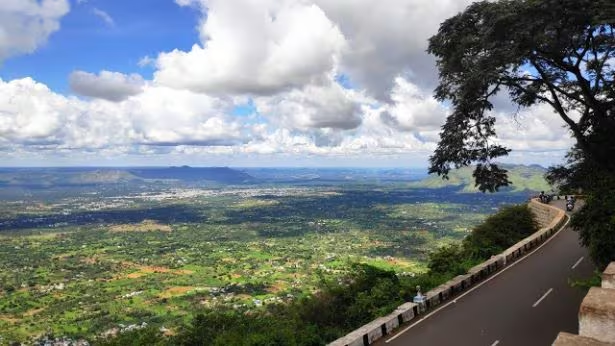
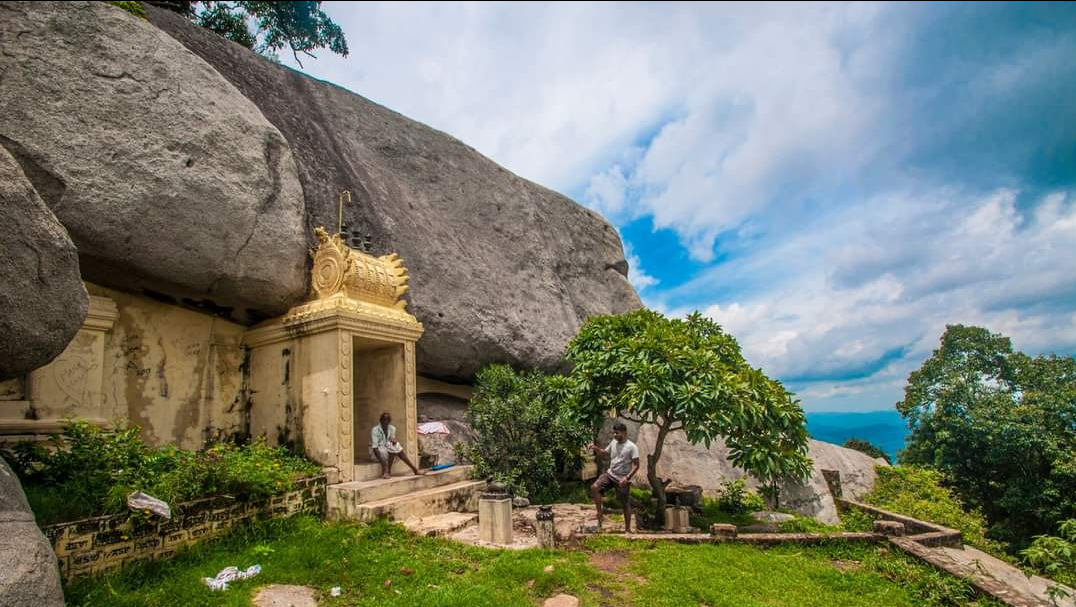
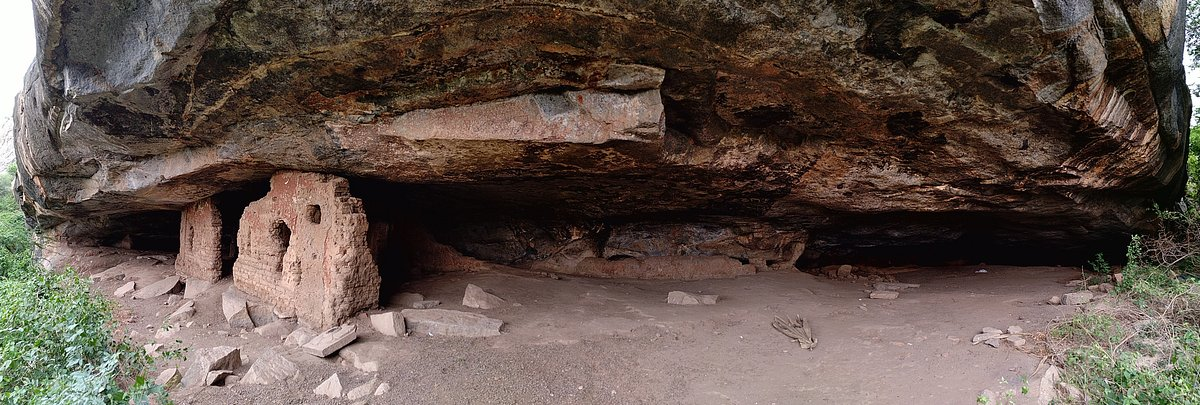
Armamalai Ancient Samanar Caves offer a captivating journey into the past, showcasing the rich Jain heritage of Tamil Nadu. This natural cave, transformed into a monastic dwelling and temple in the 8th century, features rare medieval Jain paintings, intricate rock art, and ancient Brahmi inscriptions.
Visitors can explore the different sections of the cave, marvel at the remnants of vibrant murals, and experience the serene atmosphere where Jain monks once meditated. It's a significant site for those interested in archaeology, religious history, and ancient Indian art.
🛡️ Verified Travel Resource
📅 Last Updated: November 03, 2026 07:47 PM (Local Time)