About this Place
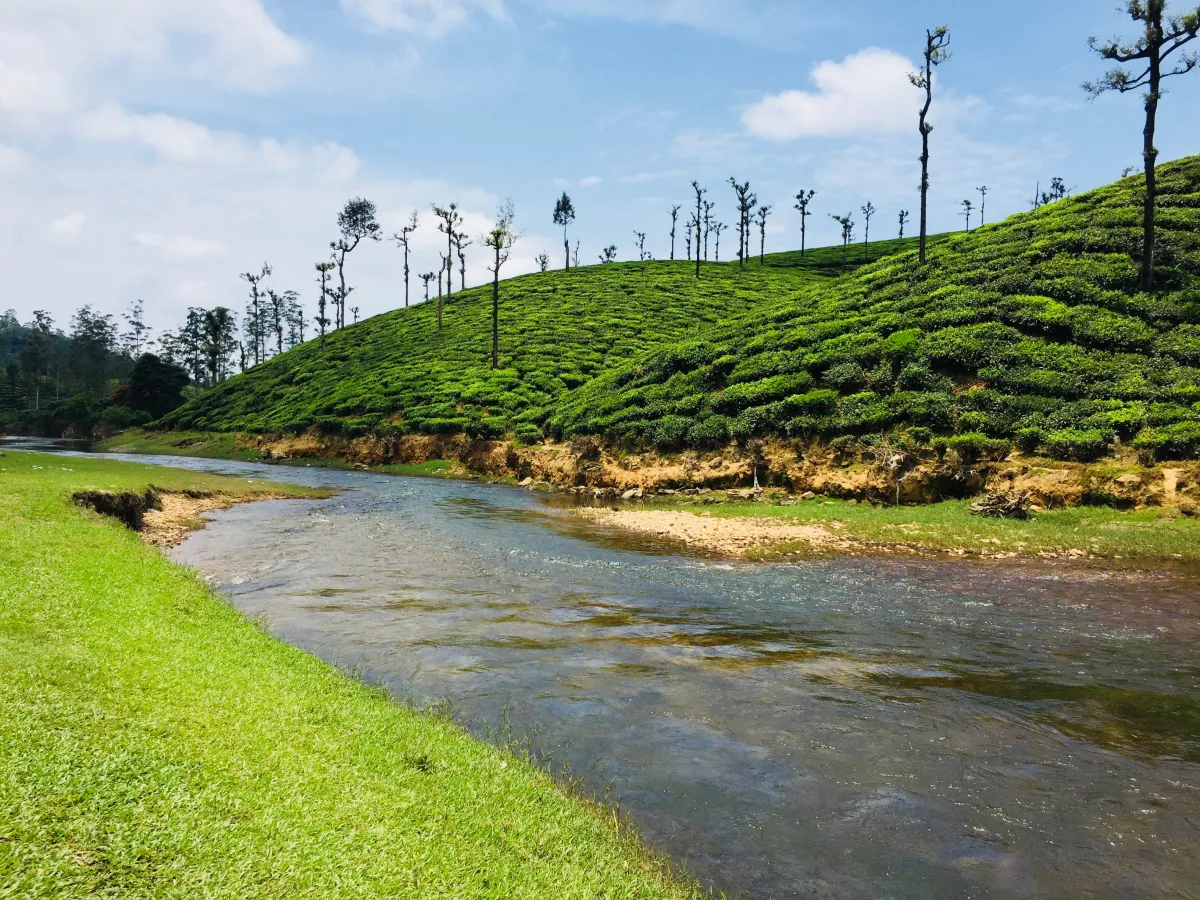
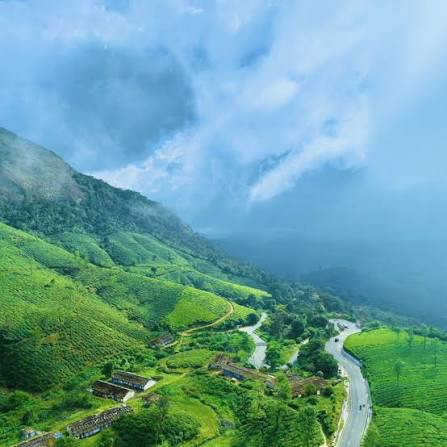
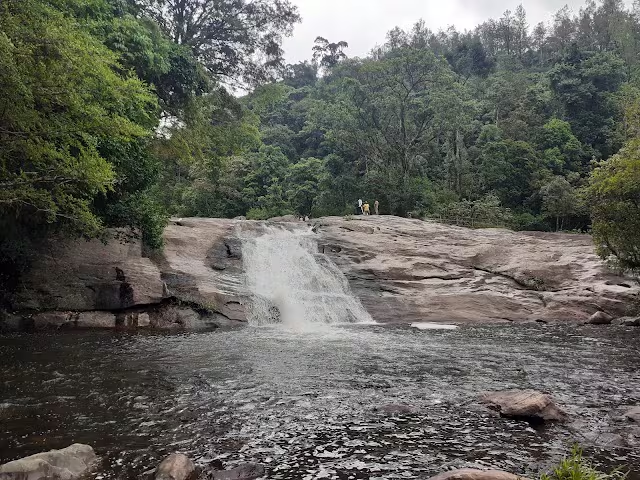
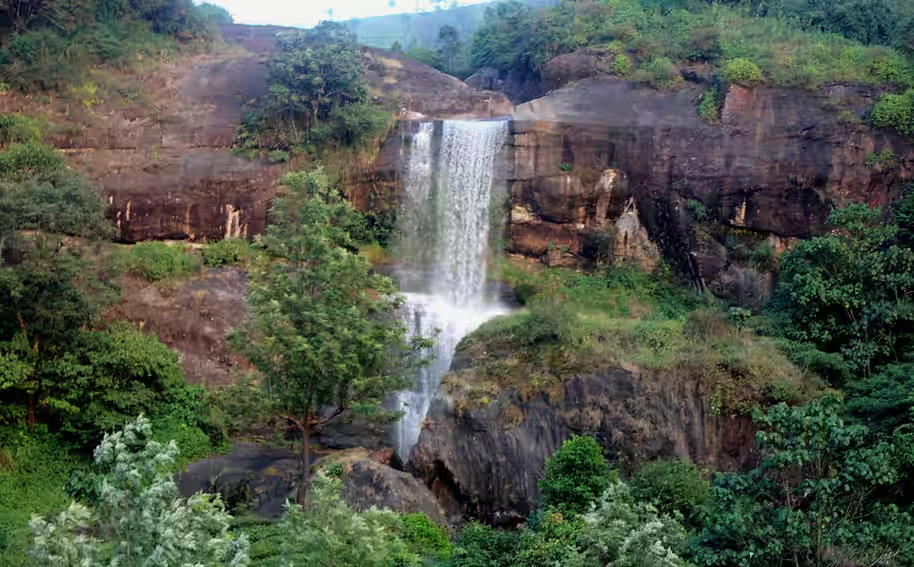
Karumalai Waterfalls is a picturesque and relatively undiscovered waterfall located within the sprawling Karumalai Tea Estate in Valparai. Surrounded by lush green tea plantations and dense forests of the Anamalai Tiger Reserve, the falls offer a soothing and visually appealing experience.
The journey to the falls, often on foot or by two-wheeler, adds to its adventurous and secluded charm. Visitors are required to obtain permission from the tea estate authorities to enter the premises, emphasizing its private and protected nature.
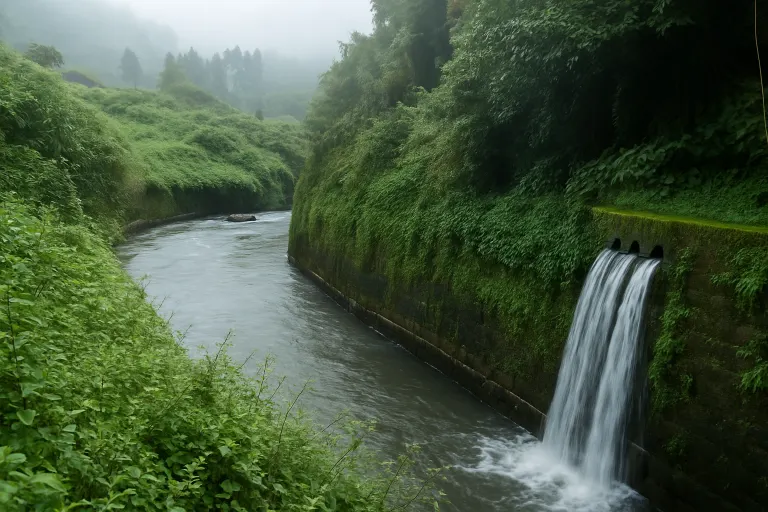
The area around the falls is characterized by vibrant greenery, making it a refreshing spot for those seeking tranquility amidst nature.
🛡️ Verified Travel Resource
📅 Last Updated: July 18, 2026 11:40 PM (Local Time)