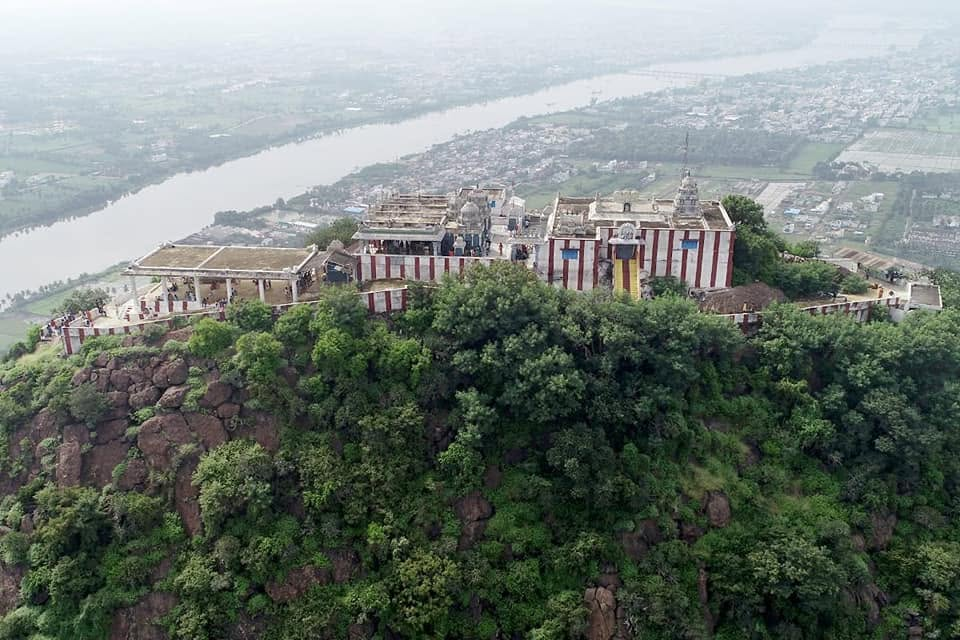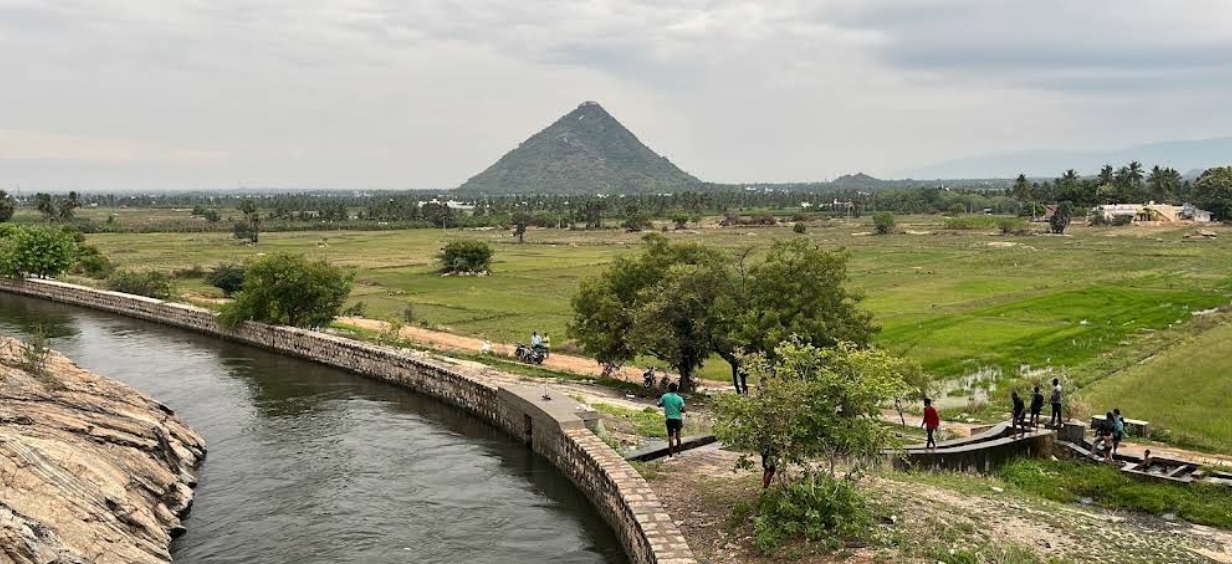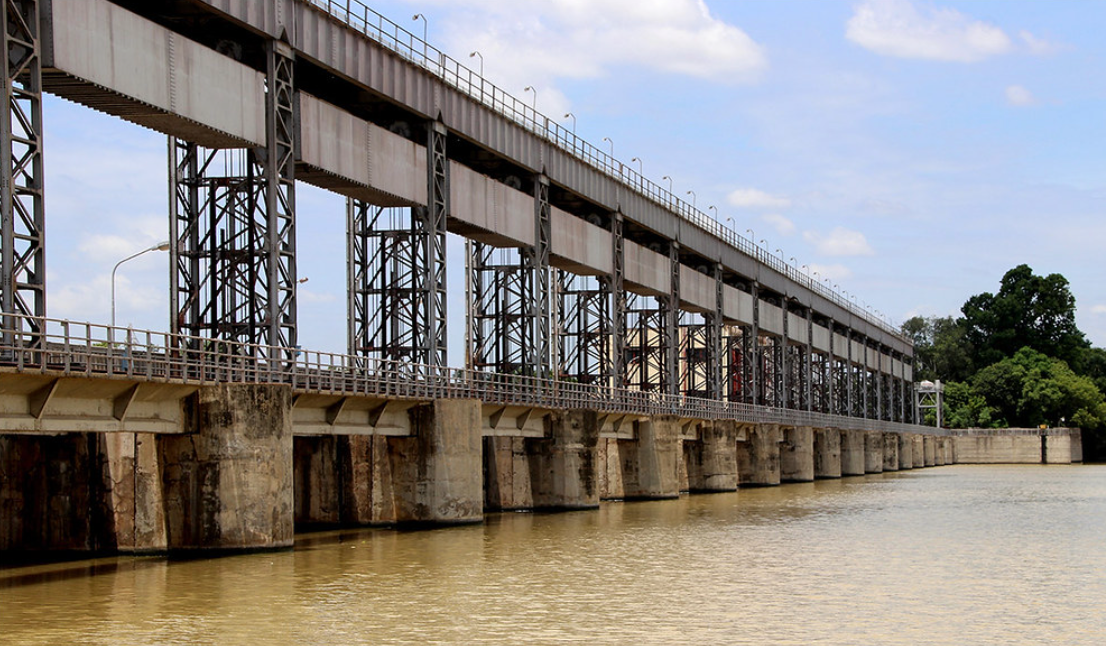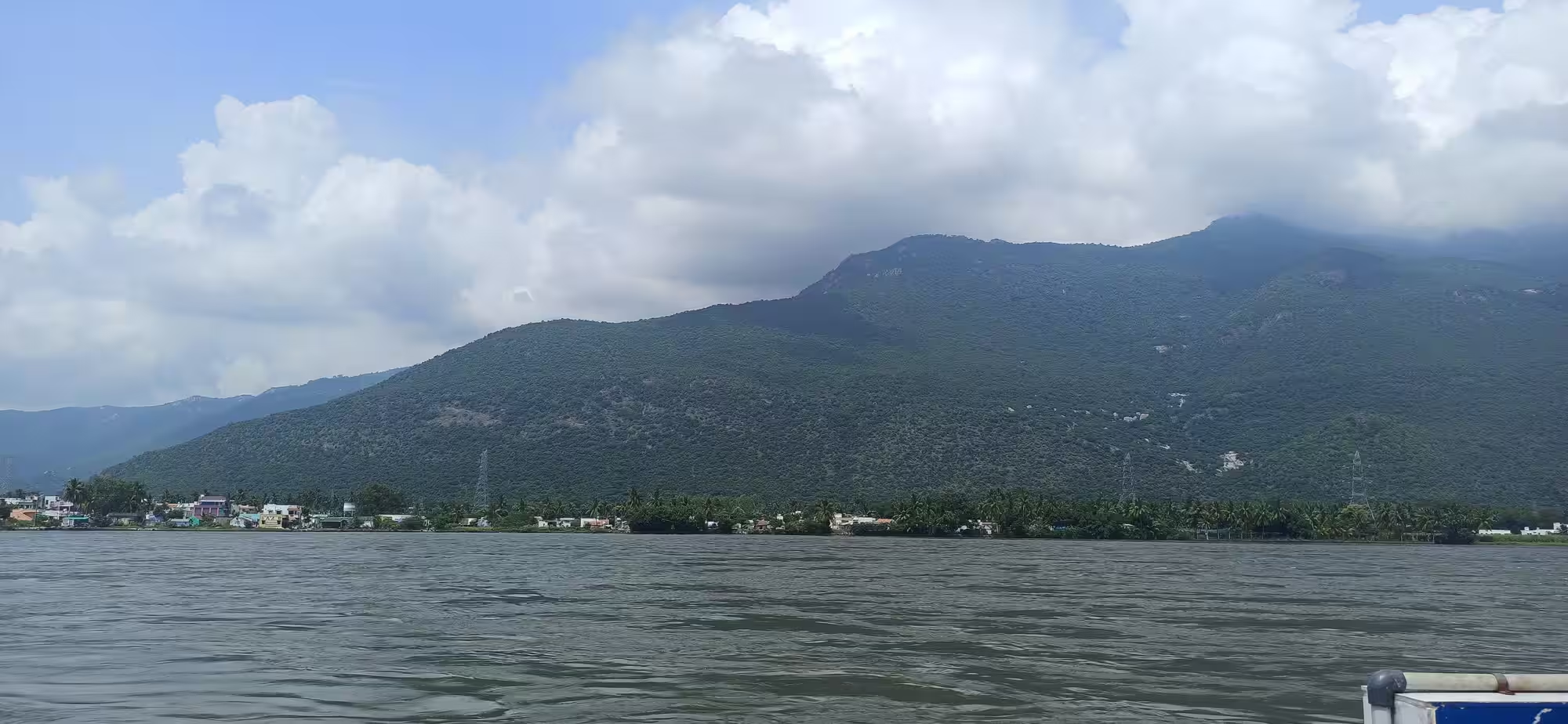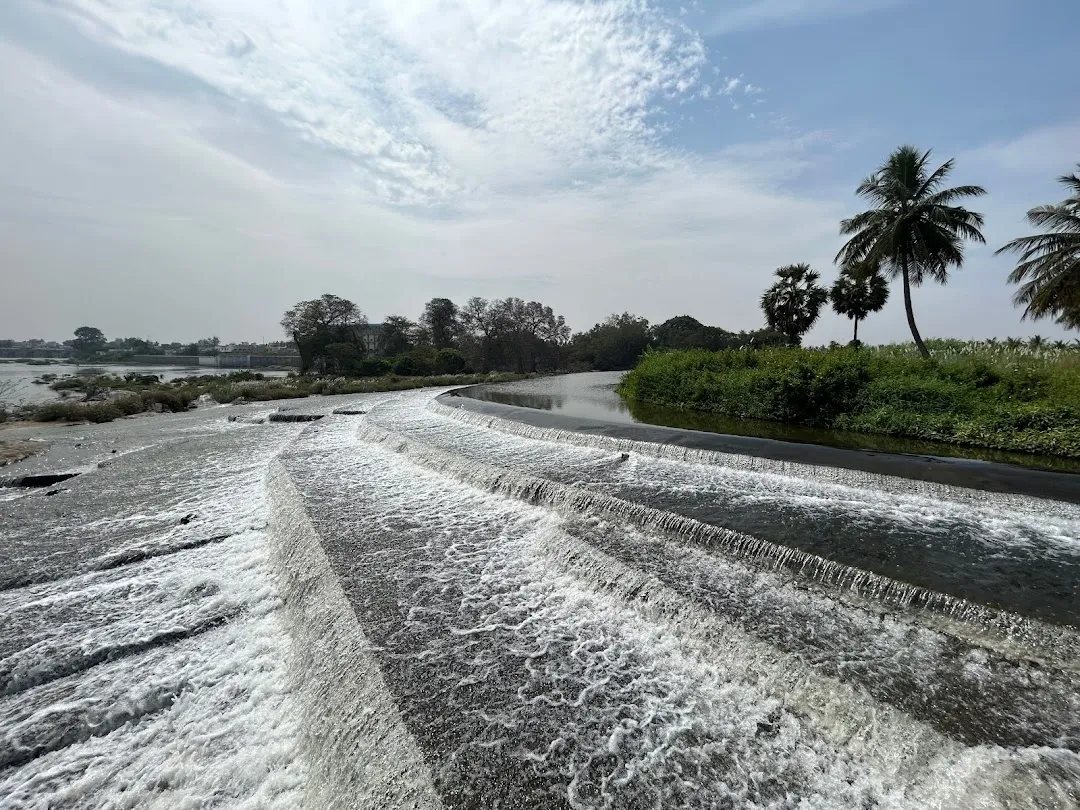
The Kalingarayan Anicut is a barrage constructed across the Bhavani River in the Erode district of Tamil Nadu, situated upstream from Kooduthurai. This engineering marvel was built between 1270 and 1282 AD (or completed in 1283 AD) by a Kongu chieftain named Kalingarayan Gounder.
It is considered one of the oldest functional water diversion projects and irrigation structures in the world. In 2021, the Kalingarayan Anicut and its associated canal system were recognized as a World Heritage Irrigation Structure by the International Commission on Irrigation and Drainage (ICID).
The system diverts water from the Bhavani River into the Kalingarayan Canal, which runs for about 91 km to link with the Noyyal River, irrigating approximately 15,743 acres of agricultural land and supporting crops like paddy, turmeric, banana, and sugarcane. This irrigation system played a crucial role in Erode earning its moniker as the "Turmeric City" of India.
Historically, Kalingarayan dedicated the project entirely to the welfare of the people, a vow honored by farmers who pay homage to him during the Pongal festival. The anicut itself comprises three main parts: the Main Anicut, Central Anicut, and Murian Anicut, and its brilliance was noted by Scottish physician Francis Buchanan in 1800.